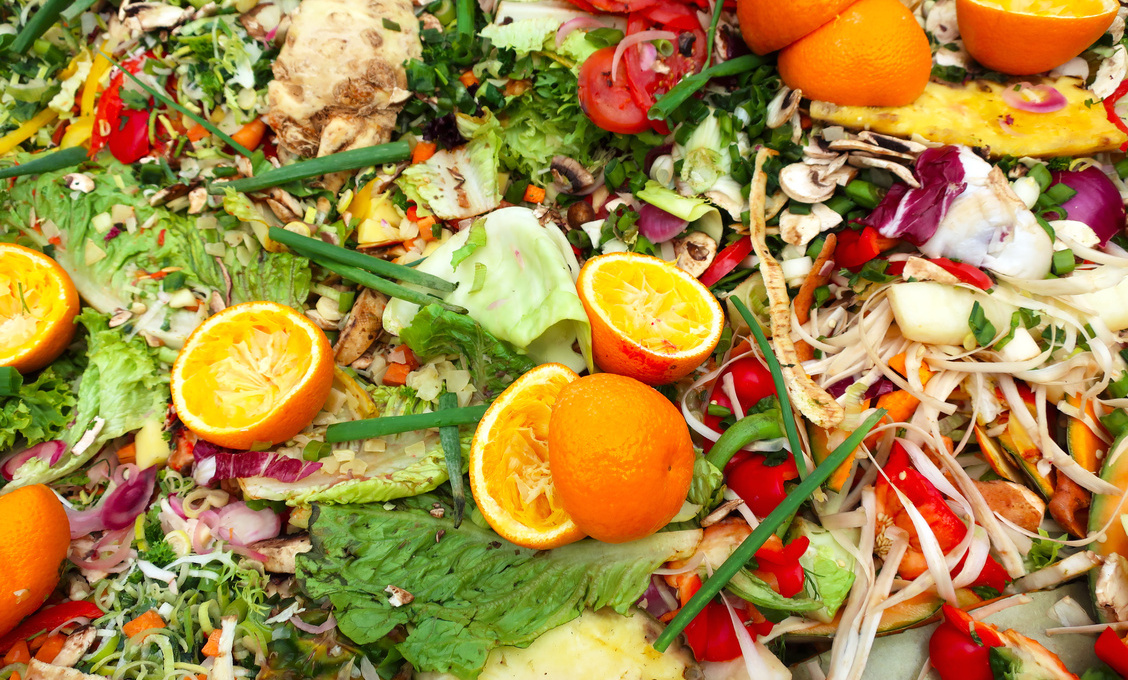
The report, produced by the Bio-based Industries Consortium (BIC) and Zero Waste Europe (ZWE), shows that the EU will struggle to meet its 2030 food waste and climate targets without a new way to pay for food waste prevention and collection, and proposes introducing Extended Producer Responsibility for Food Products (EPRFP).
Food waste is responsible for 8–10% of global greenhouse gas emissions, while EU citizens generate around 130 kg of food waste per person each year. Despite the obligation for EU Member States to separately collect biowaste from 2024, only about 26% of kitchen waste is currently captured, with the rest ending up in landfills or incinerated.
At the same time, in the Waste Framework Directive, the EU has set 2030 food waste reduction targets of 30% per capita at household, retail, and restaurant level and 10% at manufacturing level.
EPRFP would shift some of the financial and operational responsibility for food waste from municipalities and taxpayers, to those placing food on the EU market. EPRFF would apply to wholesalers, importers and retailers (only for their own “white label” products).
By targeting actors that design, package, label and market food, EPRFP aims to tackle waste upstream, where decisions on portion sizes, “best before” dates, promotions and distribution are made.
The report positions EPRFP as:
- A practical way to support implementation of the Waste Framework Directive’s food waste targets and the obligation to separately collect biowaste
- A tool to help reduce food waste for the benefit of Europe’s bioeconomy, circularity and climate goals
- A means to secure stable feedstock for Europe’s bio-based industries while regenerating degraded soils through compost and digestate
Joan Marc Simon, Founder of Zero Waste Europe said: ''Now that we have EU targets on food waste and the obligation to separately collect bio-waste, we need the economic instruments to meet them. EPR for food products can mobilise the funding necessary to reduce food waste and increase separate collection of organics."
Executive Director of BIC Dirk Carrez added: “Europe needs to look at all options to use the untapped potential of bio-waste. EPR for food products can help to increase the availability of bio-waste, including for biomaterials. Turning such waste into a feedstock for the bio-based industries creates circular loops.”